The Yellow Wallpaper
11 views
Get This Book
Prices may vary. Links may earn us a commission and open external websites.
Publisher
Independently published
ISBN
ISBN-13: 9798861546157Synopsis
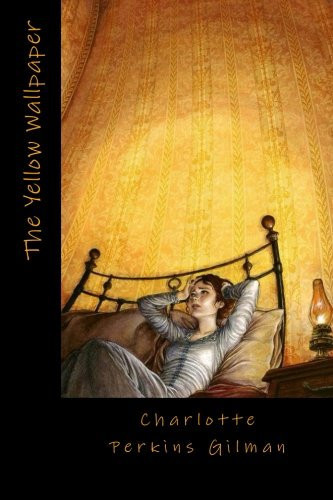
"Yellow Wallpaper" is a famous short story written by Charlotte Perkins Gilman in the late 19th century. The story is a first-person narrative, and its protagonist is an unnamed woman suffering from what her husband, John, a physician, believes to be a nervous condition. He prescribes her a "rest cure" and confines her to a room in their rented mansion, which has yellow wallpaper.
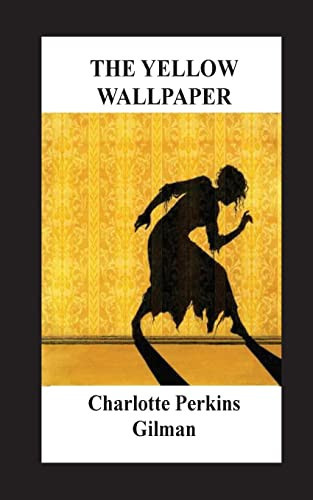
As the woman spends more time in the room, she becomes increasingly fixated on the wallpaper. She believes she sees a woman trapped behind the pattern, struggling to escape. Over time, her obsession with the wallpaper intensifies, and she starts to identify herself with the woman she imagines is trapped there. She becomes convinced that freeing the woman in the wallpaper is her mission.
As the story progresses, the woman's mental state deteriorates. She becomes more disconnected from reality, and her obsession with the wallpaper consumes her. In the climax of the story, she locks herself in the room and begins tearing off the wallpaper in a frenzied attempt to free the woman she believes is trapped behind it. Her actions become increasingly erratic and irrational.
The story ends on a disturbing note as the woman's husband, who has been dismissive of her concerns throughout the narrative, finally breaks down the locked door to find his wife creeping around the room, convinced she has liberated the woman from the wallpaper. Her descent into madness is complete, and the story leaves a chilling and thought-provoking commentary on the treatment of women's mental health in the 19th century, as well as the broader themes of confinement, control, and the consequences of dismissing women's voices and autonomy.
In summary, "The Yellow Wallpaper" is a short story that explores the psychological deterioration of a woman confined to a room with yellow wallpaper, and it serves as a powerful commentary on gender roles and the treatment of women's mental health in the late 19th century.
As the woman spends more time in the room, she becomes increasingly fixated on the wallpaper. She believes she sees a woman trapped behind the pattern, struggling to escape. Over time, her obsession with the wallpaper intensifies, and she starts to identify herself with the woman she imagines is trapped there. She becomes convinced that freeing the woman in the wallpaper is her mission.
As the story progresses, the woman's mental state deteriorates. She becomes more disconnected from reality, and her obsession with the wallpaper consumes her. In the climax of the story, she locks herself in the room and begins tearing off the wallpaper in a frenzied attempt to free the woman she believes is trapped behind it. Her actions become increasingly erratic and irrational.
The story ends on a disturbing note as the woman's husband, who has been dismissive of her concerns throughout the narrative, finally breaks down the locked door to find his wife creeping around the room, convinced she has liberated the woman from the wallpaper. Her descent into madness is complete, and the story leaves a chilling and thought-provoking commentary on the treatment of women's mental health in the 19th century, as well as the broader themes of confinement, control, and the consequences of dismissing women's voices and autonomy.
In summary, "The Yellow Wallpaper" is a short story that explores the psychological deterioration of a woman confined to a room with yellow wallpaper, and it serves as a powerful commentary on gender roles and the treatment of women's mental health in the late 19th century.
Dimensions
229 mm × 2 mm × 152 mm
91 g