The Yellow Wallpaper
8 views
Get This Book
Prices may vary. Links may earn us a commission and open external websites.
Publisher
Independently published
ISBN
ISBN-13: 9798323555109Synopsis
"The Yellow Wallpaper" is a short story written by Charlotte Perkins Gilman, first published in 1892. It's a poignant and haunting tale that delves into themes of mental illness, female oppression, and the loss of autonomy.
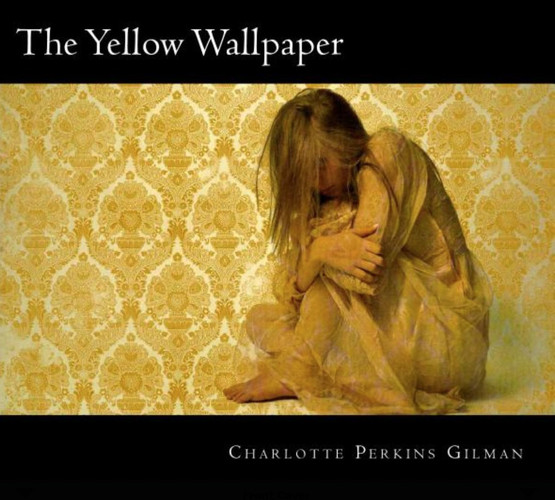
The story is narrated by an unnamed woman suffering from what her husband, John, a physician, diagnoses as "temporary nervous depression." John, believing he knows best, prescribes a rest cure for her, insisting that she be confined to a room in an old mansion for the summer. The room has yellow wallpaper, which the narrator finds disturbing from the outset.
As the days pass, the narrator becomes increasingly fixated on the wallpaper, finding patterns within its design that seem to come to life. She becomes convinced that there is a woman trapped within the wallpaper, desperately trying to escape. Meanwhile, her own mental state deteriorates, and she becomes more detached from reality.
Despite her pleas and protests, John dismisses her concerns and insists on continuing the rest cure. He infantilizes her, treating her as if she is incapable of making decisions for herself. The narrator's isolation and lack of agency contribute to her descent into madness.
"The Yellow Wallpaper" is often interpreted as a critique of the patriarchal medical establishment and the ways in which women were pathologized and silenced during the 19th century. It's also celebrated for its portrayal of the psychological toll of confinement and the quest for self-expression and autonomy.
The story is narrated by an unnamed woman suffering from what her husband, John, a physician, diagnoses as "temporary nervous depression." John, believing he knows best, prescribes a rest cure for her, insisting that she be confined to a room in an old mansion for the summer. The room has yellow wallpaper, which the narrator finds disturbing from the outset.
As the days pass, the narrator becomes increasingly fixated on the wallpaper, finding patterns within its design that seem to come to life. She becomes convinced that there is a woman trapped within the wallpaper, desperately trying to escape. Meanwhile, her own mental state deteriorates, and she becomes more detached from reality.
Despite her pleas and protests, John dismisses her concerns and insists on continuing the rest cure. He infantilizes her, treating her as if she is incapable of making decisions for herself. The narrator's isolation and lack of agency contribute to her descent into madness.
"The Yellow Wallpaper" is often interpreted as a critique of the patriarchal medical establishment and the ways in which women were pathologized and silenced during the 19th century. It's also celebrated for its portrayal of the psychological toll of confinement and the quest for self-expression and autonomy.
Dimensions
9 inches × 0.07 inches × 6 inches
0.2 pounds